Water Heater Service in Melrose, MA
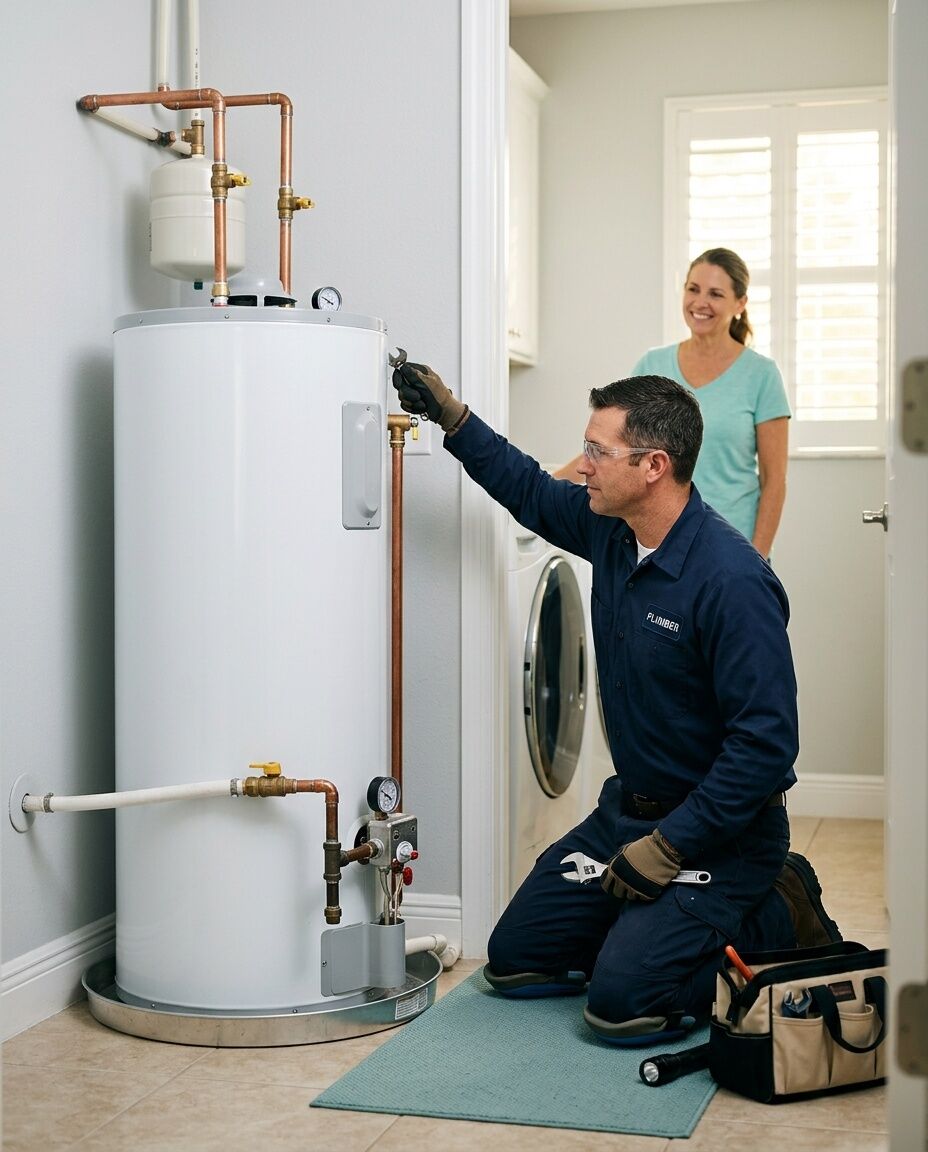
Mathews Brothers Plumbing provides careful water heater diagnostics, repair guidance, maintenance evaluation, and replacement planning for Melrose homes.
Mathews Brothers Plumbing provides careful water heater diagnostics, repair guidance, maintenance evaluation, and replacement planning for Melrose homes.
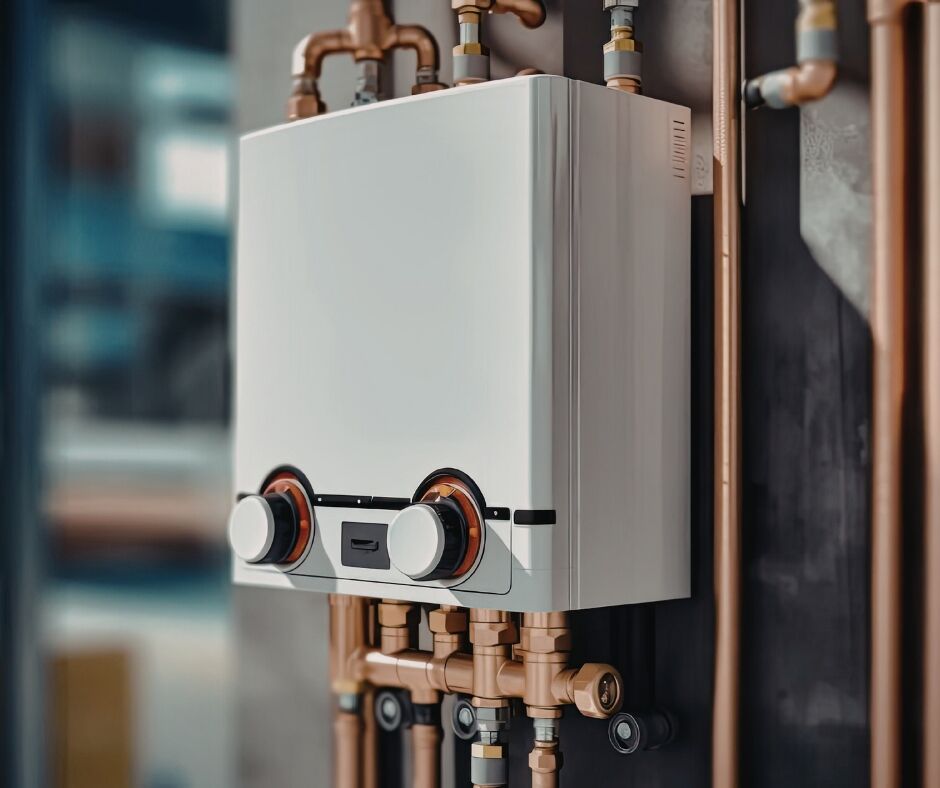
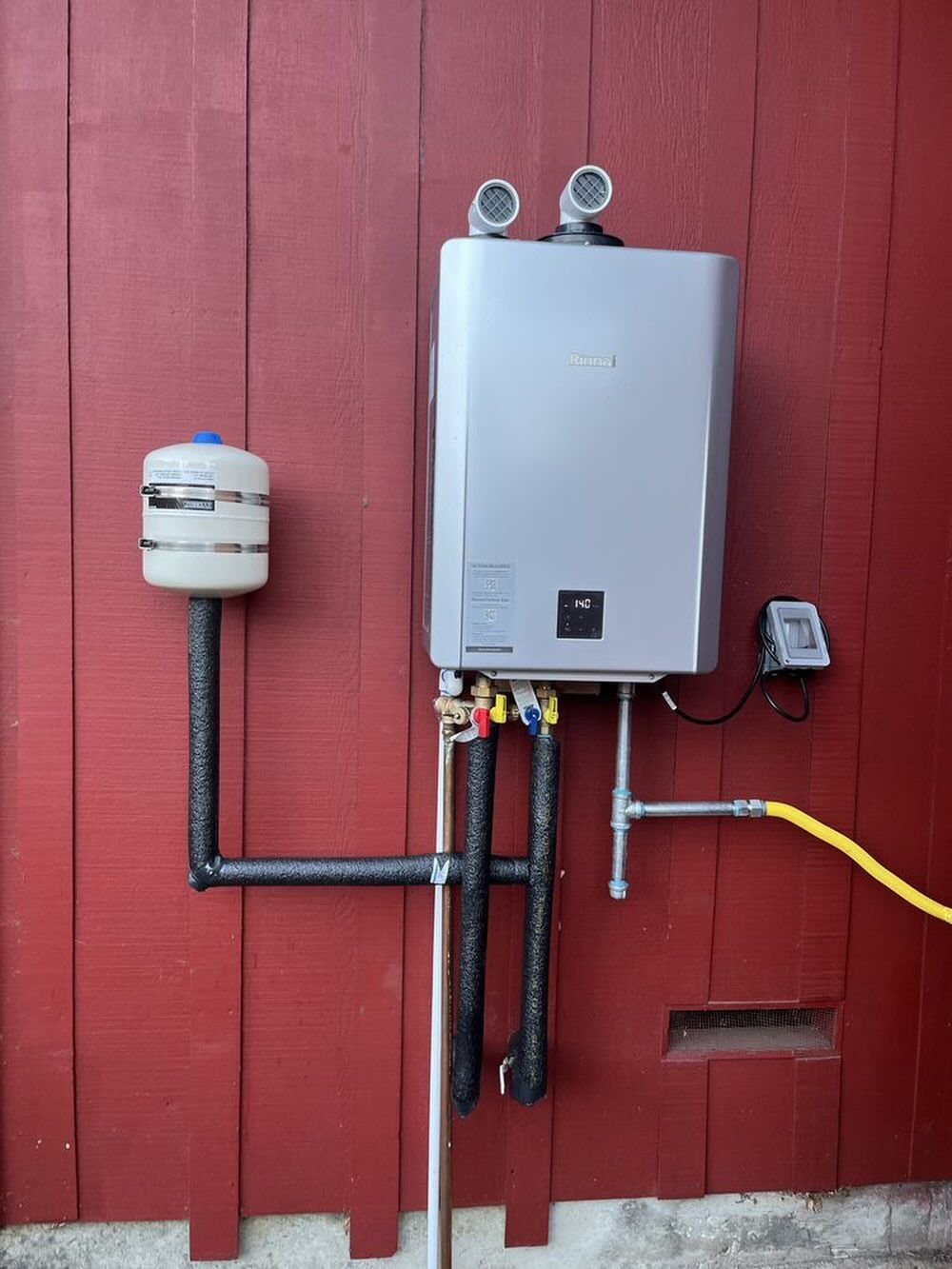
A tankless unit may stop producing hot water, show an error code, change temperature, or struggle when multiple fixtures are used. We consider the reported code, flow demand, maintenance history, controls, and visible service connections before recommending work.
We do not assume every water heater can or should be repaired. The condition of the tank, available parts, safety, repeat failures, and the work required all affect the recommendation.
Tankless equipment combines water flow, fuel or electrical input, sensors, venting or exhaust requirements, and electronic controls. Diagnosis should consider those systems together and follow the manufacturer’s service information for the specific model.
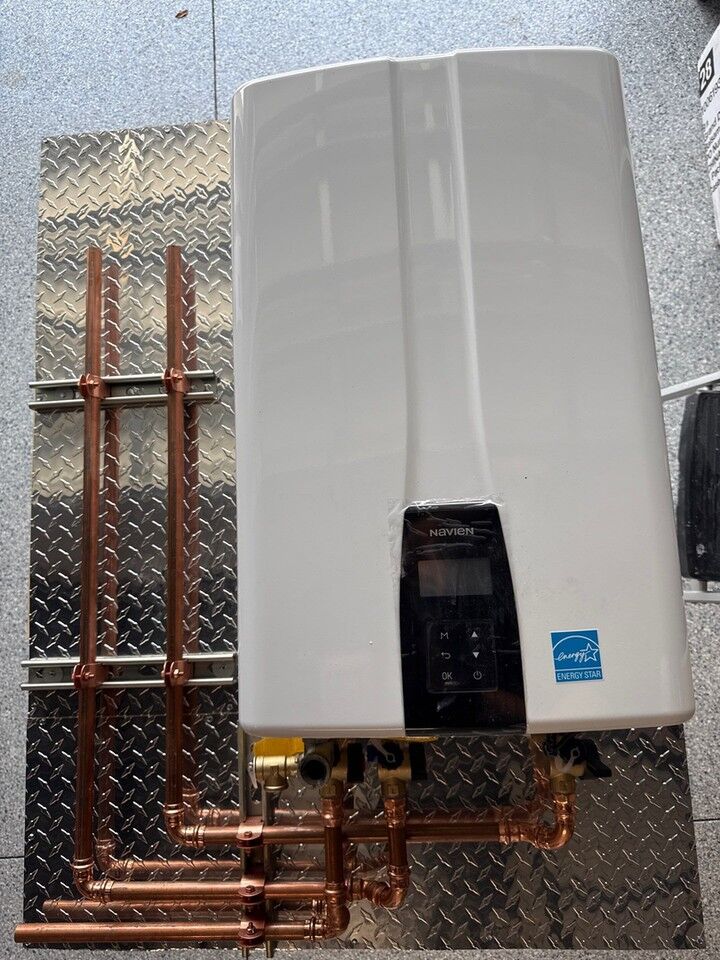
Mineral scale, a serviceable sensor, an ignition issue, or another component fault may point toward maintenance or repair. Age, parts availability, heat-exchanger condition, repeated faults, and household demand may make replacement planning more appropriate.
Error codes are useful clues, not complete diagnoses. Record the code and model information if safe to do so, but leave gas, electrical, combustion, and internal component work to a qualified professional.
We organize the service around the unit’s symptoms and explain the findings in plain language before work moves forward.